
WooCommerce (hosted offerings)

Best Self Hosted Alternatives to WooCommerce (hosted offerings)

A curated collection of the 4 best self hosted alternatives to WooCommerce (hosted offerings).

WooCommerce (hosted offerings) provides a managed e-commerce platform built on WordPress, enabling businesses to create and run online stores with storefronts, product management, payments, shipping integrations, and extensions for marketing and analytics.

Alternatives List

#1
Medusa

Medusa

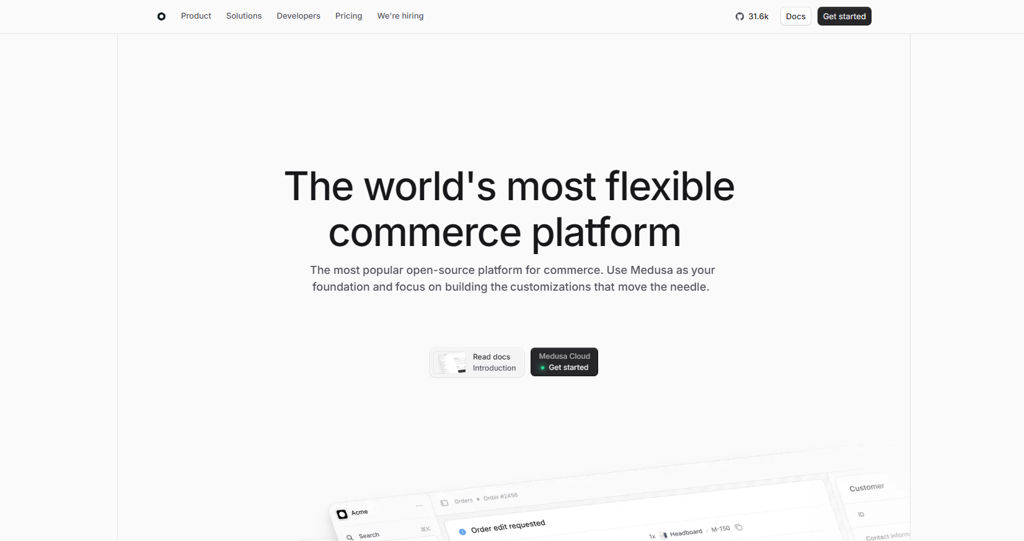
Open-source, modular commerce backend for building custom eCommerce stores with APIs, admin dashboard, plugins, and integrations.
Medusa screenshot

Medusa is a developer-focused, modular commerce platform for building custom online stores and marketplaces. It provides a ready-made commerce backend (products, carts, checkout, orders, customers, taxes, shipping, payments) that can be extended through modules and integrations while allowing full control over the storefront.

Key Features

  • Modular architecture with pluggable modules and integrations (payments, shipping, tax, fulfillment, etc.)
  • Headless APIs for commerce resources (store, admin) designed for custom storefronts
  • Admin dashboard for managing products, orders, customers, inventory, and promotions
  • Extensible data model and business logic via customizations and plugins
  • Multi-region / multi-currency support for international selling
  • Promotion/discount tooling (e.g., discount codes and rules)
  • Cart and checkout primitives with payment provider integrations
  • Event-driven workflows/hooks for extending core commerce flows

Use Cases

  • Build a fully custom headless storefront (Next.js/React/Vue) backed by a commerce API
  • Implement B2B or marketplace-like commerce flows requiring custom logic and integrations
  • Create a commerce backend for multiple storefront channels (web, mobile, POS)

Limitations and Considerations

  • Requires engineering effort to assemble a full solution (storefront, hosting, integrations) compared to all-in-one SaaS platforms
  • Some advanced enterprise features may depend on specific modules/integrations or custom development

Medusa fits teams that want a flexible commerce core without being locked into a hosted SaaS. Its modular approach makes it suitable for bespoke commerce implementations that need to evolve over time.

31.6kstars
4kforks

#2
WooCommerce

WooCommerce

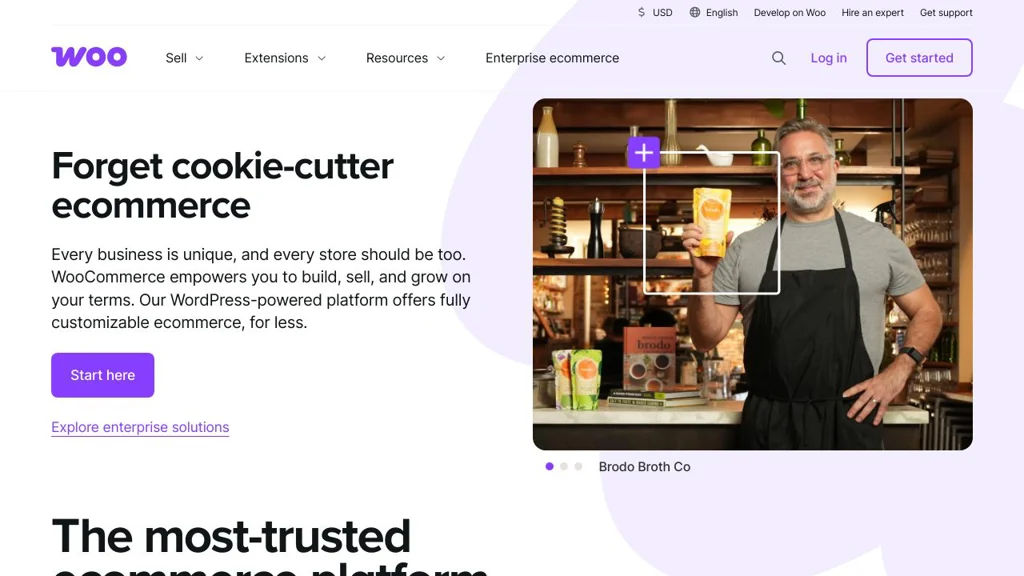
A WordPress eCommerce plugin for selling products, managing orders, payments, shipping, taxes, and store operations with a large extension ecosystem.

WooCommerce screenshot

WooCommerce is a WordPress plugin that turns a WordPress site into a full eCommerce store. It provides core storefront, product, cart/checkout, order management, and a configurable platform that can be extended via themes and plugins.

Key Features

  • Product catalog for physical and digital goods, including variants and downloadable products
  • Cart and checkout flow with configurable payments and shipping methods
  • Order management with statuses, refunds, notes, and customer management
  • Tax configuration and shipping calculations, with extensible integrations
  • Store administration inside WordPress (settings, reports/analytics depending on setup)
  • Extensibility via a large ecosystem of extensions and themes, plus a developer REST API
  • Internationalization support and multi-currency/multi-language via extensions

Use Cases

  • Small to mid-sized online stores that want to run commerce within WordPress
  • Content-driven sites (blogs/publishers) adding merchandise or digital downloads
  • Businesses needing a customizable checkout and integrations via plugins or APIs

Limitations and Considerations

  • Requires WordPress and is affected by WordPress hosting quality, theme/plugin compatibility, and update management
  • Many advanced features (subscriptions, memberships, some payment/shipping options) typically require additional extensions

WooCommerce is a widely adopted eCommerce option for WordPress sites that need a flexible, plugin-based approach. It fits best when you want commerce tightly integrated with WordPress content and are comfortable managing WordPress updates and extensions.

10.1kstars
10.7kforks
#3
PrestaShop

PrestaShop

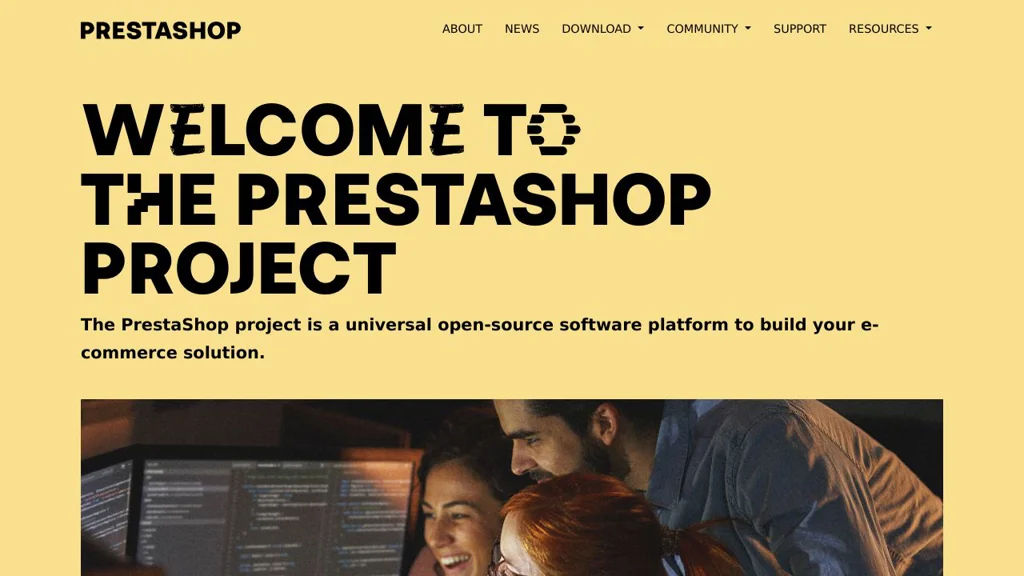
PrestaShop is a PHP-based eCommerce platform for building and managing online stores with product, order, payment, shipping, tax, and multilingual features plus themes and modules.

PrestaShop screenshot

PrestaShop is an open-source eCommerce application for creating and operating online stores. It provides a back office to manage catalog, orders, customers, and storefront presentation, and it can be extended through a large ecosystem of themes and modules.

Key Features

  • Storefront + back office for managing products, categories, attributes/variants, pricing, and inventory
  • Order lifecycle management (carts, checkout, payments, invoices/credit slips, returns/RMA depending on configuration)
  • Customer management with groups, addresses, and account features
  • Multi-store support to run multiple shops from one back office
  • Multilingual and multi-currency capabilities with localization for taxes and regions
  • Shipping and carrier configuration, taxes, and promotions (vouchers/discount rules)
  • Extensible architecture via modules/add-ons and theme system
  • REST/Webservice API for integrating products, orders, and customers

Use Cases

  • Small-to-mid sized retail store needing full control of catalog, checkout, and operations
  • Multi-brand operator managing several storefronts from one admin
  • Merchants integrating an eCommerce backend with external ERP/PIM/fulfillment via API

Limitations and Considerations

  • Many advanced capabilities (specific payment providers, marketplace connectors, SEO tools) are typically provided by modules and may be paid
  • Major upgrades can require careful planning due to theme/module compatibility

PrestaShop is a mature, widely-used eCommerce stack with a feature-rich admin and a strong extension ecosystem. It fits teams that want a customizable PHP-based storefront and operational tooling without relying on a hosted commerce provider.

8.9kstars
5kforks
#4
EverShop

EverShop

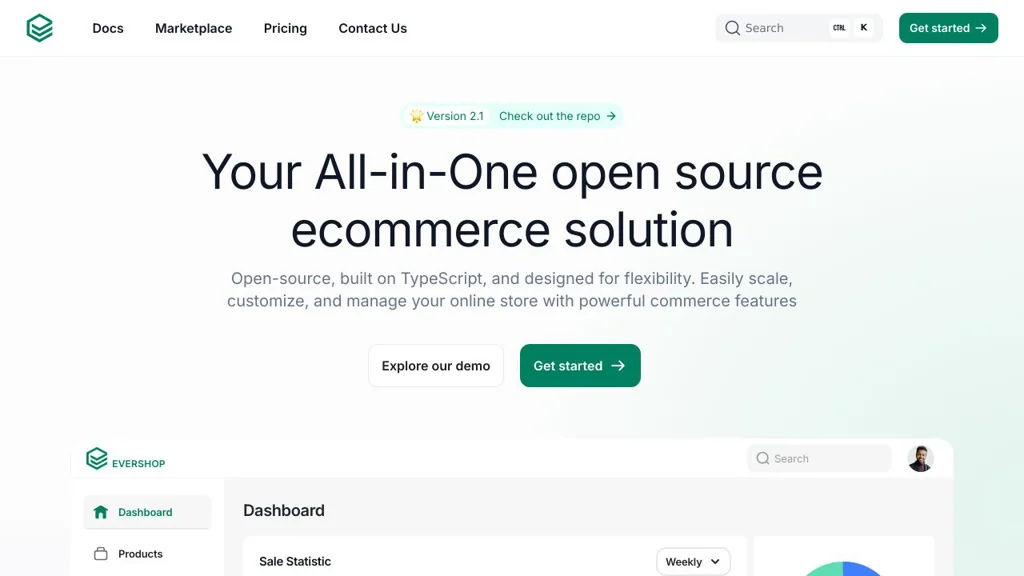
EverShop is a Node.js-based eCommerce platform with storefront, admin dashboard, product/catalog management, orders, payments, and an extension-based architecture.

EverShop screenshot

EverShop is an open-source eCommerce platform built on Node.js that lets you run an online store with a built-in storefront and admin dashboard. It targets developers and teams that want a modern, extensible architecture for building and customizing commerce experiences.

Key Features

  • Admin dashboard for managing products, categories, customers, orders, and store settings
  • Catalog management (products with variants/options, attributes, images, and categories)
  • Cart and checkout flow designed for customization
  • Payment integrations via pluggable modules (commonly used providers such as Stripe)
  • Themeable storefront and component-based UI to tailor branding and UX
  • Extension/module architecture to add or override features without forking core
  • API-first patterns (GraphQL is used in the stack) to integrate with external systems
  • Supports typical commerce workflows: order lifecycle, taxes/shipping configuration (implementation depends on modules)

Use Cases

  • Launch a small-to-medium online store with full control over code and infrastructure
  • Build a customized storefront (headless-like) while keeping a maintainable admin backend
  • Create a tailored commerce solution by composing extensions for payments, shipping, and marketing

Limitations and Considerations

  • Some capabilities (shipping carriers, tax services, advanced promotions) may rely on installing or building additional extensions rather than being fully available out of the box.

EverShop is a good fit for teams that want a modern JavaScript commerce codebase and prefer extending functionality through modules and themes. It aims to provide core commerce primitives while keeping customization approachable for developers.

8.9kstars
2.1kforks

Why choose an open source alternative?

  • Data ownership: Keep your data on your own servers
  • No vendor lock-in: Freedom to switch or modify at any time
  • Cost savings: Reduce or eliminate subscription fees
  • Transparency: Audit the code and know exactly what's running